
Afro Boom: South African Amapiano and Afro House find a beat in China
Electronic music creates connection on the dance floor as fans say this is more than just a trend.
By Li Xinbo
February 2026
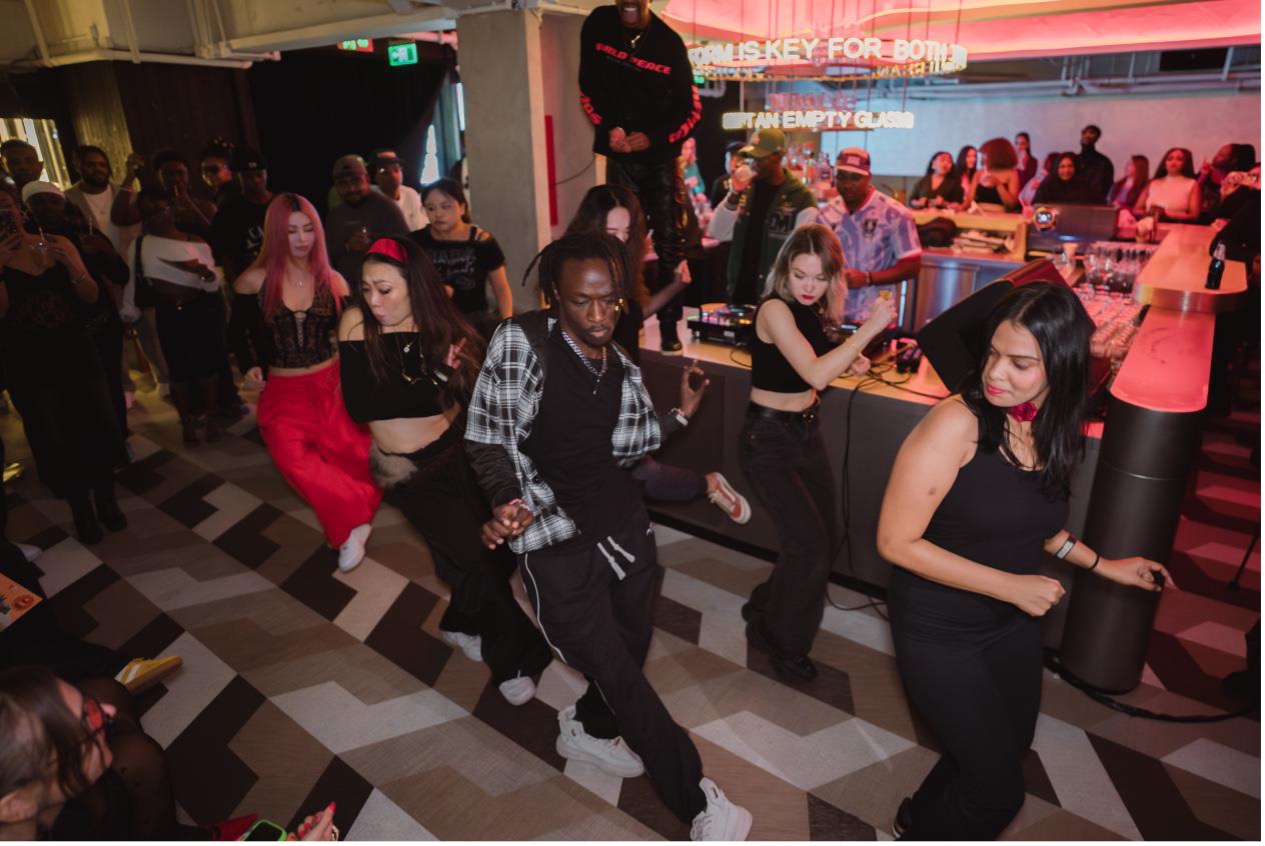
Dancers take to the floor at a Yanos Afro event in Shanghai. (Courtesy photo).
Shoulders roll, hips sway and feet tap as strangers unite in motion. The only common language at the Shenzhen Afro Pulz Dance Camp is rhythm.
“The idea is to bring people together, connect, have fun, as friends,” said Willy Noir, a Brazilian-Dutch international Afro house musical artist.
The “Afro boom” movement stretches far beyond the Shenzhen dance floor. In Hong Kong, Afro raves pulse through clubs. In Shanghai, Yanos brunches serve up South African culture alongside food. In Beijing, HOV parties keep crowds moving to Afro house beats. Online, TikTok challenges featuring Afro dances are viral among Chinese youth, with the South African subgenre called Amapiano gaining particular traction.
“Amapiano is a lifestyle,” says Kutlwano “Kay” Molefe, the organizer behind Shanghai’s Yanos brunches and a key figure bringing the sound to China. “The ease and joy can be enjoyed by everyone.”
Once a niche interest, Amapiano now leads charts across Africa, fueling festivals and drawing global curiosity.
Chinese dancers are embracing it with characteristic dedication. “I was quite impressed how seriously Chinese people take dance,” Molefe said.
For participants like Shanghai-based Tracy Li, the attraction is immediate: “I fell in love with the music right away for no reason,” she said.
Yet African dance encompasses countless styles—from South Africa’s Pantsula to Angola’s Kizomba—each with deep cultural roots. This presents both an allure and a challenge.
“Chinese students are very hungry to learn,” said Noir. “They take the time for the steps, the meaning, the spirit.”
However, without the cultural context or understanding of local lyrics, some may find the connection elusive.
This gap points to the Afro boom’s next test: localization. Like hip-hop before it, the scene must evolve from an imported trend into something that resonates locally.
But fans say the foundation for sustainability are being laid. What began as underground parties is maturing into a commercial ecosystem—with ticketed workshops, branded club nights, and lifestyle events—signaling a shift from fleeting trend to viable niche.
In Hong Kong, Clarisa Hafteck, a South African-born, French-Chinese known as DJ Sino who runs Afrorave HK, which organizes Afro events, sees the gradual build. “It takes time to build a community, but everyone I’ve introduced it to has been very receptive. People are curious,” she said.
As the final song fades at the Shenzhen camp, dancers stand breathless and beaming. The sound that traveled thousands of miles now echoes in a local studio—not as a foreign artifact, but as a shared pulse. For Molefe, that pulse means “togetherness, love, unity.” For Noir, it’s “connection, as people, as friends.”
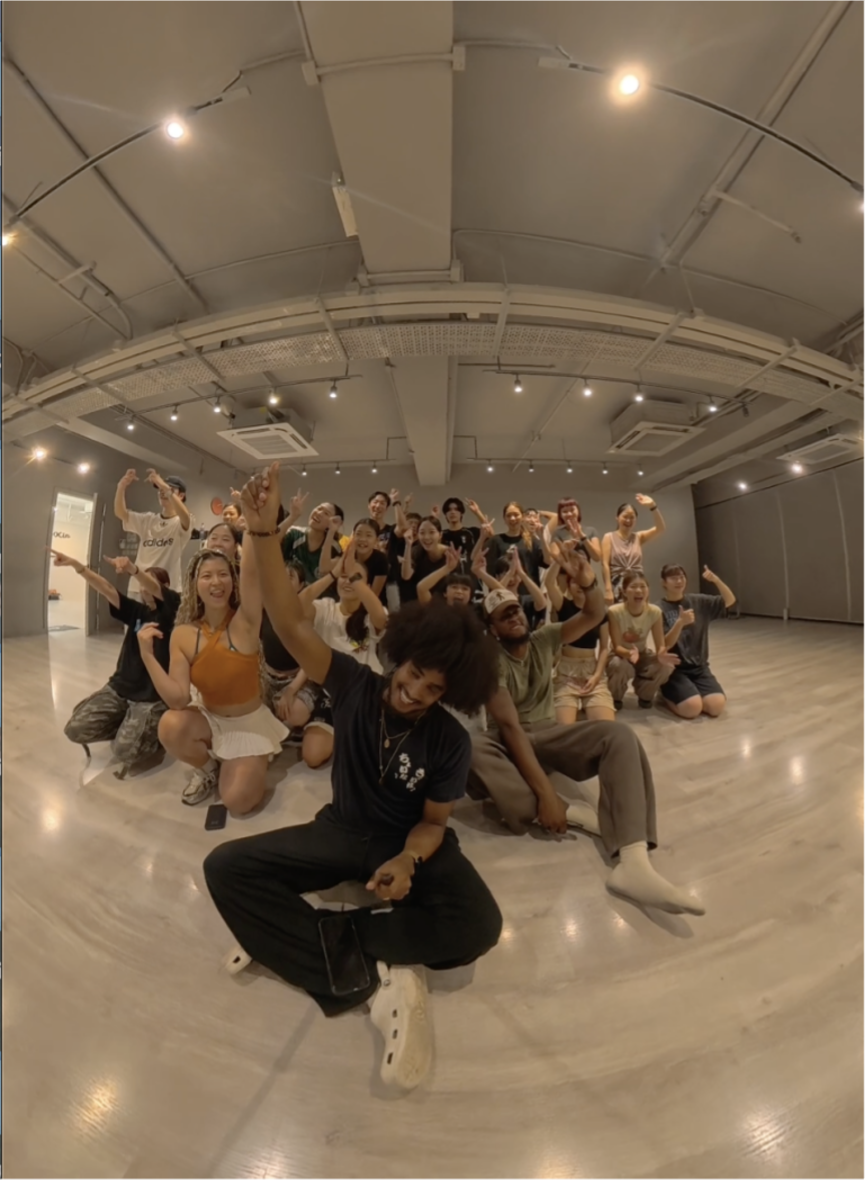
Willy Noir’s leads an Afro house dance workshop in Hong Kong (Courtsey photo).

Clarisa Hafteck, founder of Afrorave in Hong Kong, holds up a sign advertising her business that organizes Afro events.

Chinese students are very hungry to learn.

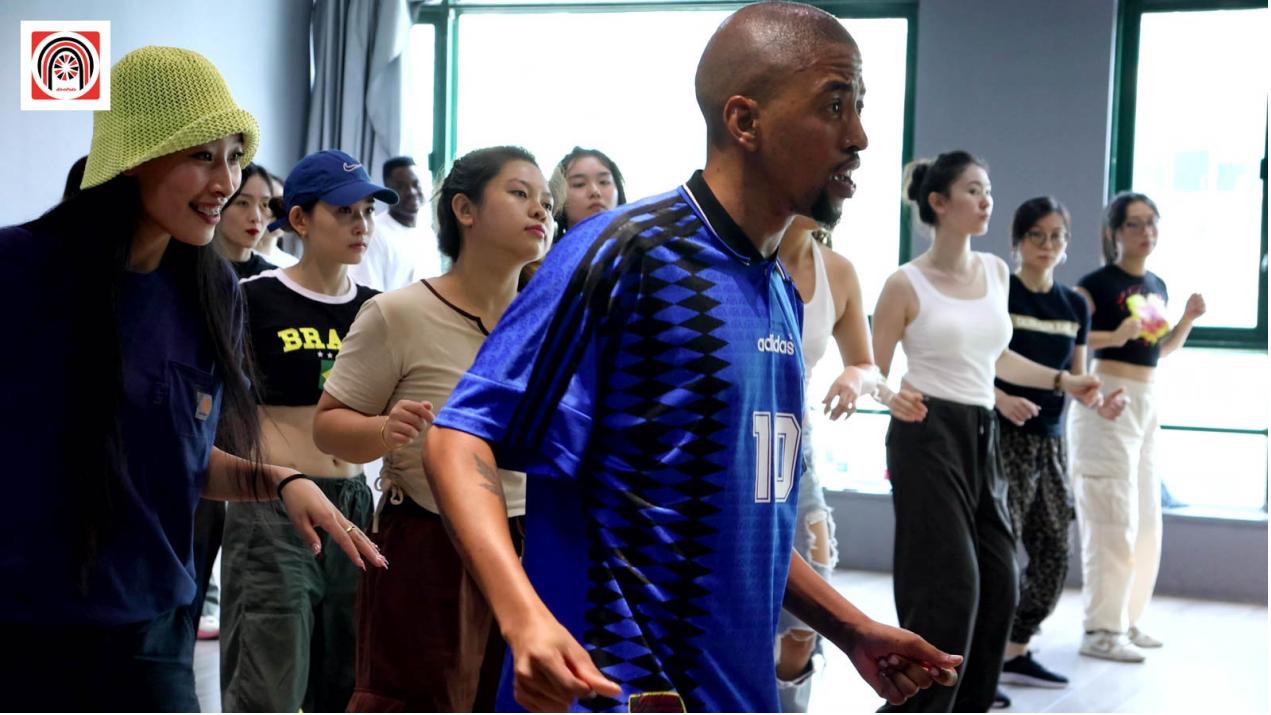
Kay Molefe teaches Amapiano dance moves at the Afro Pulz Dance Camp in Shenzhen (Courtsey Photo).

Shenzhen marks New Year’s day with parade as tourist spending booms
More than 160,000 people gathered in Shenzhen last week to watch a New Year’s Day parade with more than 1,500 performers on Festival Avenue in Futian, as the city saw an overall boom in tourist spending during the holiday.

Burned out Chinese teachers struggle with school responsibilities
It’s after 10pm and the city streetlights have long been on in southeastern China. Melisa returns home, exhaustion written on her face. All she wants is a shower

The unseen creators: how AI powers the mini-games becoming online hits in China
In three quick strokes, a blue-haired swordsman unleashes curved, shining blue blades for an attack that appears effortless as it takes down three masked opponents. Moments later, the swordsman stands still with a steely gaze and a calm face.
