
How humanity can wisely face the next crisis: lessons learned from COVID-19
By Chen Hong
April 2026
The term “COVID-19” may sound less urgent today, with the most intense phase of the pandemic now over five years behind us. Yet its impact remains etched in our memories, as the coronavirus fundamentally reshaped the global economy and continues to leave lasting consequences.
How humanity confronts a crisis is an evolving journey. In early 2022, Shanghai—China’s economic powerhouse and one of the world’s largest metropolitan cities—experienced a strict lockdown. Residents were confined to their homes, unable to live normally or even access medical care when needed. Many tragedies unfolded as the central government’s zero-COVID policy grew increasingly stringent.
Today, China still faces the aftermath of these decisions. Numerous small businesses have closed due to broken cash flow chains, and consumer spending momentum remains sluggish. People hesitate to spend, lacking confidence in the future and their incomes. Youth unemployment is mounting, and starting salaries are at disappointing levels. Despite various government stimulus efforts, economic recovery has been muted.
So, what lessons can we learn as COVID-19 drifts further into history, but its effects linger? Most importantly, how should humanity prepare for the next crisis?
Be wise and calm: emotional decision-making can worsen situations.
Be forward-looking: anticipate challenges and build resilience.
Save for rainy days: individuals and authorities alike should maintain reserves to weather emergencies.
Prepare proactively: establish thoughtful, flexible policies before crises arise, rather than scrambling to fix problems afterwards.

How humanity confronts a crisis is an evolving journey.



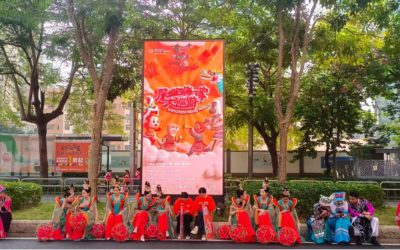
Shenzhen marks New Year’s day with parade as tourist spending booms
More than 160,000 people gathered in Shenzhen last week to watch a New Year’s Day parade with more than 1,500 performers on Festival Avenue in Futian, as the city saw an overall boom in tourist spending during the holiday.

Afro Boom: South African Amapiano and Afro House find a beat in China
Shoulders roll, hips sway and feet tap as strangers are united in motion. The only common language at the Shenzhen Afro Pulz Dance Camp is rhythm.

Burned out Chinese teachers struggle with school responsibilities
It’s after 10pm and the city streetlights have long been on in southeastern China. Melisa returns home, exhaustion written on her face. All she wants is a shower
