
China’s pandemic disrupted lives; it also built unexpected networks
By Huang Cailong
April 2026
I remember the morning a neighbor in Hangzhou slipped vegetables under my door during lockdown. We’d never spoken. No note, just the bag. It wasn’t extraordinary—but it stuck with me. Because across the city, thousands of similar exchanges were happening, quietly filling gaps that official systems left open.
The economic toll is well documented. Retail sales dropped. Youth unemployment hit a record 21.3% in mid-2022. Small businesses folded. Yet in the same period, WeChat groups repurposed themselves into hyperlocal logistics networks. A café owner I know in Beijing abandoned dine-in entirely and survived on community pre-orders. These weren’t signs of a functioning system. They were signs of people bypassing one.
The government’s zero-Covid strategy kept case numbers low for nearly three years but ended abruptly in late 2022. Hospitals overflowed. Official accounts rarely captured that chaos. But inside residential compounds, residents who had spent months coordinating testing and supply runs suddenly knew exactly who to call for a box of anti-inflammatory tablets or infant formula-your neighbors would share with you.
Today, many of those mutual aid groups remain active, though quieter. Their existence says less about policy success than about the durability of local networks formed under pressure. Resilience, in this case, wasn’t designed from above. It grew out of necessity, often in spite of the system rather than because of it.
If there’s a lasting takeaway, it’s that institutional cracks will always exist. What matters is whether people have room to fill them. China’s pandemic years offered a complicated picture—one of both state control and grassroots improvisation. Neither tells the full story. The truth sits somewhere in between, in the neighborhood groups that learned to act when no one else could.

If there’s a lasting takeaway, it’s that institutional cracks will always exist.



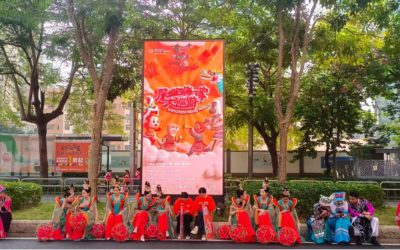
Shenzhen marks New Year’s day with parade as tourist spending booms
More than 160,000 people gathered in Shenzhen last week to watch a New Year’s Day parade with more than 1,500 performers on Festival Avenue in Futian, as the city saw an overall boom in tourist spending during the holiday.

Afro Boom: South African Amapiano and Afro House find a beat in China
Shoulders roll, hips sway and feet tap as strangers are united in motion. The only common language at the Shenzhen Afro Pulz Dance Camp is rhythm.

Burned out Chinese teachers struggle with school responsibilities
It’s after 10pm and the city streetlights have long been on in southeastern China. Melisa returns home, exhaustion written on her face. All she wants is a shower
