
COVID-19 forced us to adapt
By Dai Ting
April 2026
I still remember the cancellation of the back-to-school notice I received in 2020 before the Chinese New Year holiday and communities getting locked down, forcing us all to stay at home. High school courses were converted to online courses, and online classes and homework completion were unfamiliar to everyone, so this was a busy time for me. Although most of the work and learning was transferred offline, the PCR tests and partial isolation continued, which greatly impacted the lives of people across the country.
Yet this crisis also sparked a reckoning that could redefine our economic future. The pandemic accelerated the shift to remote work, opening global opportunities for the tech-savvy; e-commerce and digital education sectors grew by 32% and 19% respectively in 2020, per Statista, creating new career paths unthinkable before 2020. My generation learned to adapt. We launched side hustles, upskilled in coding and digital marketing, and rejected the “job for life” myth in favor of flexible, resilient livelihoods.
COVID-19 didn’t steal our economic future—it destroyed the fragile, outdated system that was already failing us. Instead of mourning the old normal, we must build a more inclusive economy that prioritises remote work equity, invests in youth training for green and digital industries and strengthens social safety nets to shield future generations from shocks.

COVID-19 didn’t steal our economic future—it destroyed the fragile, outdated system that was already failing us.


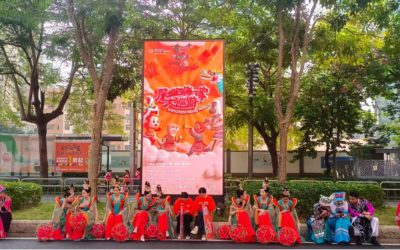
Shenzhen marks New Year’s day with parade as tourist spending booms
More than 160,000 people gathered in Shenzhen last week to watch a New Year’s Day parade with more than 1,500 performers on Festival Avenue in Futian, as the city saw an overall boom in tourist spending during the holiday.
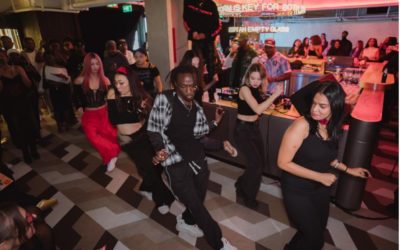
Afro Boom: South African Amapiano and Afro House find a beat in China
Shoulders roll, hips sway and feet tap as strangers are united in motion. The only common language at the Shenzhen Afro Pulz Dance Camp is rhythm.
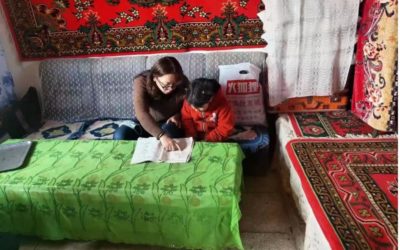
Burned out Chinese teachers struggle with school responsibilities
It’s after 10pm and the city streetlights have long been on in southeastern China. Melisa returns home, exhaustion written on her face. All she wants is a shower
